Handling Last Minute Change Orders
Change orders are inevitable in construction. The contractors who lose the least time and money are the ones with a clear process for managing them.
Article written by
Zack Bedingfield
A last-minute change order doesn't have to mean a delayed schedule or a frustrated client. What separates a smooth change order from a project-derailing one is process: how fast you document it, how clearly you price it, and how quickly your subs find out.
What Counts as a Change Order, and Why Speed Matters
A change order is any modification to the original scope, schedule, or cost of a project after the contract is signed. The faster a change order is documented and priced, the less likely it is to create disputes. Delayed paperwork is one of the most common sources of payment disagreements in construction.
Communicate Clearly with the Property Owner First
Before any work changes, walk the property owner through exactly what's changing, why, what it will cost, and how it affects the timeline. A detailed written estimate, not a verbal ballpark, protects both sides and keeps the client's trust intact.
Loop in Subcontractors Immediately
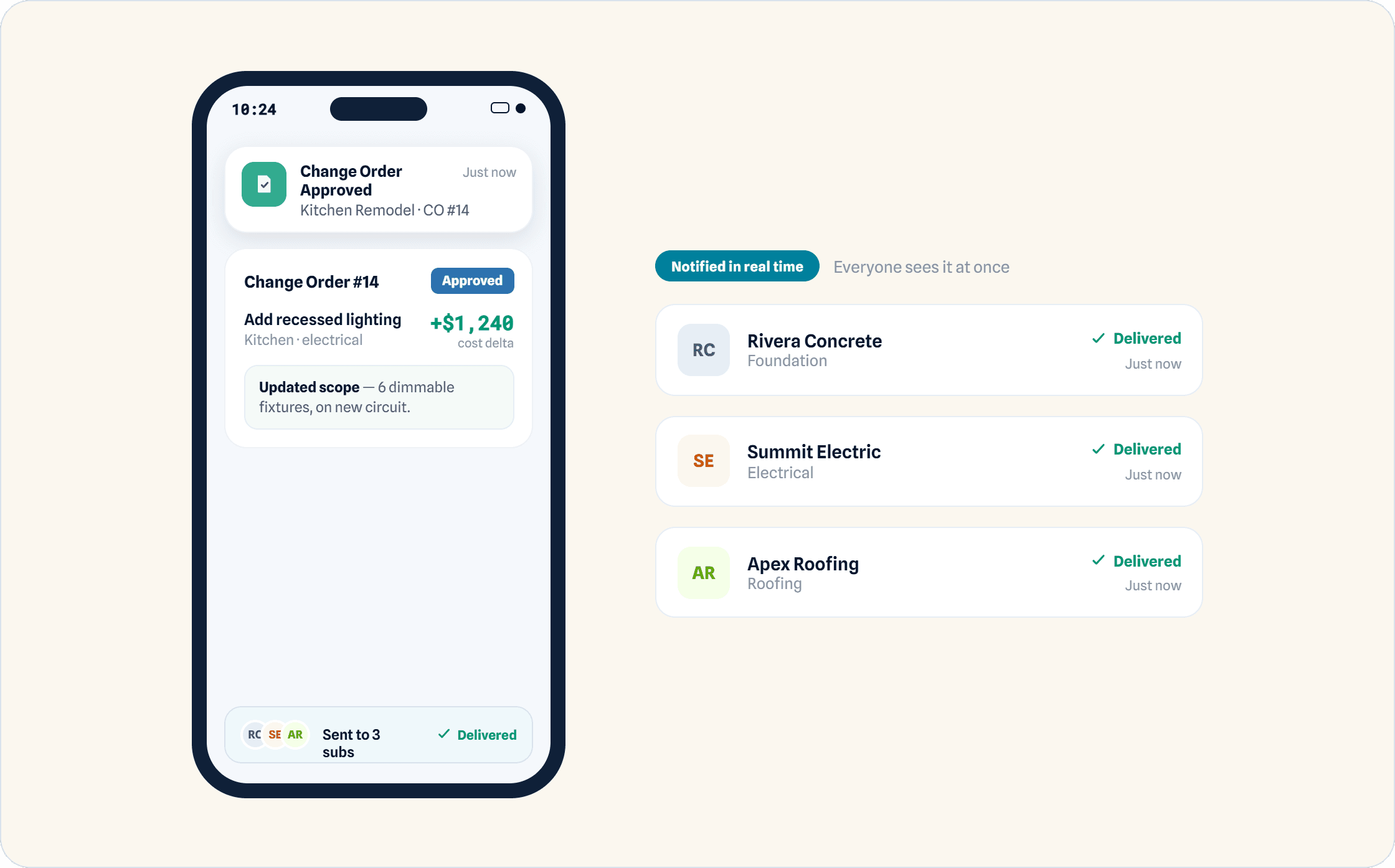
Once a change order is approved, subs need to know before they show up expecting the old scope. Centralizing change orders in KonstructIQ's change order management tools means every sub sees the update in real time instead of finding out on-site.
Price Change Orders Consistently
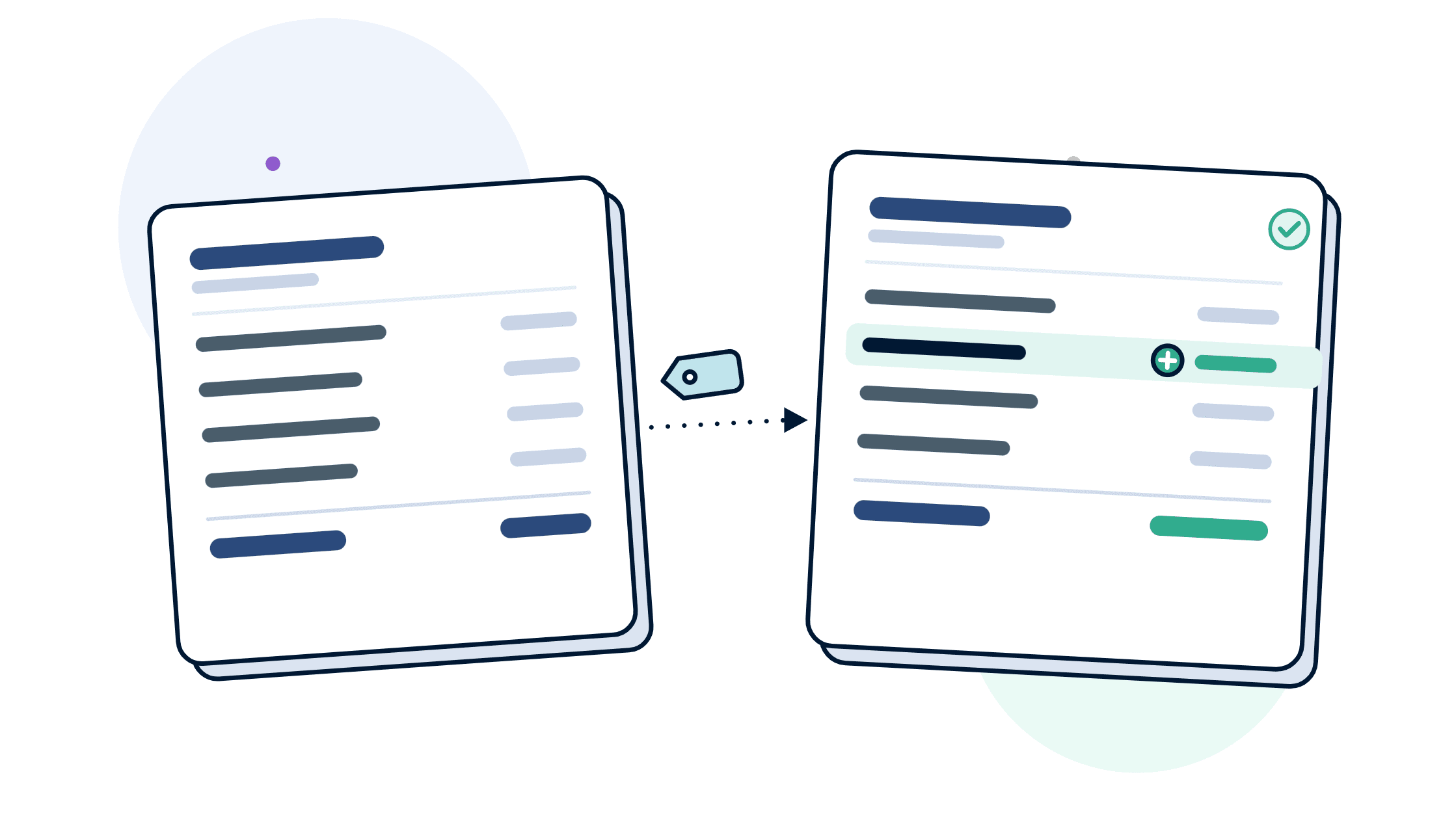
Use the same markup and cost-code structure for change orders as the original estimate. Inconsistent pricing between the original contract and a change order is one of the fastest ways to lose a client's confidence.
Treat Change Orders as a Trust-Building Opportunity, Not a Problem
Contractors who handle change orders well come out of them with more client trust, not less. Clear communication, fast subcontractor updates, and consistent pricing turn a potential friction point into proof that you run an organized operation.
Change orders will keep happening. What determines whether they help or hurt your reputation is how organized your process is when they land. For more on keeping the rest of the schedule intact, see our 5 tips for meeting deadlines, and for keeping the crews who'll execute the change informed, see keeping strong relationships with subcontractors.